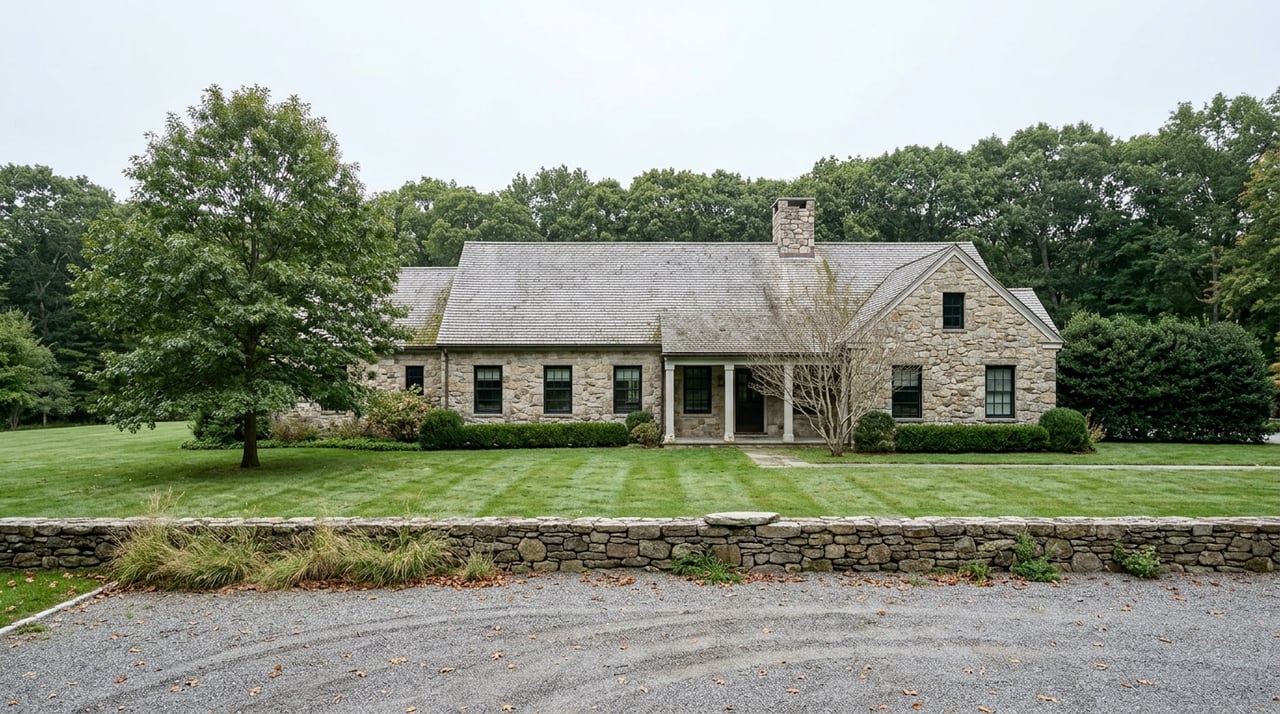
Buying Land in Western Loudoun County: The Costs That Don't Show Up Until After Closing
September 3, 2026
September 3, 2026
Picture two ten-acre parcels in Round Hill, priced within a few thousand dollars of each other. Same road frontage, same rolling pasture, same view of the Blue Ridge foothills. One of them will cost you roughly what the listing says. The other could cost you an extra $40,000 to $60,000 within the first two years of ownership, and nothing on the MLS sheet will tell you which one you're looking at.
That gap is not about the house. It is not about the soil color or the barn condition. It comes from three things buried in county records and state code that most buyers never check until they are already past their inspection contingency: how the parcel is zoned under a 2024 rewrite of the county's ordinance, whether it is enrolled in a tax program that owes the county money the moment its use changes, and whether the ground underneath it can legally support a septic system at all. In Western Loudoun, the acreage number on the listing is doing far less work than buyers assume.
Every acre in rural Western Loudoun carries a zoning designation, usually AR-1 or AR-2, and each one comes with its own setbacks, permitted uses, and lot coverage limits. Buyers routinely take the listing description at face value. That is a mistake for a specific reason: in 2024, Loudoun County adopted a zoning ordinance change that added a prime farmland restriction, and a local design-build firm that works these parcels regularly estimates it now applies to roughly 685 parcels countywide, tightening where structures can go on any lot where 70 percent or more of the soil is classified as prime farmland.
That restriction does not show up as a red flag on a listing photo. It shows up when your architect tries to place the house where the view is best and finds the buildable envelope is smaller than the AR-1 standard would suggest. The fix is not complicated, but it has to happen before you write an offer, not after: pull the current Loudoun County GIS parcel data yourself, confirm the exact zoning designation, and ask directly whether the prime farmland restriction applies. Do not rely on the listing description to answer that question, because it wasn't written to answer it.
Virginia stopped relying solely on the old-style perc test years ago. The current standard uses Authorized Onsite Soil Evaluators, private-sector professionals certified by the Virginia Department of Health, who examine soil permeability, depth to the seasonal water table, slope, and restrictive layers like clay hardpan or fragipan before the state will approve a septic construction permit. An old perc test result sitting in a seller's file does not guarantee current approval. Soil and regulatory standards can shift underneath it.
The AOSE evaluation itself runs $500 to $2,500 depending on parcel complexity. What it tells you determines a much bigger number:
| System type | Typical installed cost | What drives it |
|---|---|---|
| Conventional gravity system | $8,000 to $25,000 | Favorable soil, adequate drainage |
| Low-pressure or mound system | $15,000 to $25,000 | Moderate soil, slower percolation |
| Engineered alternative system | $25,000 to $80,000+ | Heavy clay, high water table, or failed conventional test |
That is not a rounding error on a purchase decision, and it is the reason a serious offer on unimproved Western Loudoun land should be contingent on soil and septic feasibility, not just a home inspection. Some parcels cannot support any onsite system at all, which means you have bought land you cannot build on.
Here is the mechanism most buyers never see coming. Loudoun County's Land Use Assessment Program lets land used for agriculture, horticulture, forestry, or open space carry a lower assessed value, deferring real estate taxes as long as the qualifying use continues. It is common across Western Loudoun's horse farms and hay operations, and it is one reason a wooded or pastured parcel can look artificially affordable to carry year to year.
The catch sits in what happens when that use changes. Virginia code allows the county to assess rollback taxes covering the current tax year plus the five years immediately preceding a change in use, plus interest at five-sixths of one percent per month, which works out to roughly 10 percent annually. One tax advisory service walked through the math on a large parcel with $8,000 in annual land use savings: six years of rollback plus that interest can top $60,000, due in a single payment. Building a non-farm structure, clearing pasture for something that doesn't qualify, or subdividing the parcel can all start that clock.
The part that catches buyers specifically is this: a sale by itself does not trigger rollback. A change in use does. If you buy a parcel enrolled in the program and continue the qualifying use, you owe nothing extra. But the county collects from whoever owns the land when the use changes, not from whoever enrolled it years earlier. If your plan is to build a house on part of that acreage, put in a riding arena that isn't agricultural, or otherwise convert the land, you need to know before closing whether it is currently enrolled, how much acreage is covered, and what the rollback exposure would be on the portion you intend to change. Ask the seller's agent for the parcel's land use assessment status before your due diligence period runs out. It is a document the Commissioner of the Revenue's office can confirm, and it is worth confirming before you own the liability.
Western Loudoun's rural character comes with infrastructure realities that a walkthrough won't reveal. Natural gas service is not available across most of rural Loudoun County, which means propane is the standard heating and cooking fuel for rural properties, and the delivery truck needs regular access to the tank location. Fiber internet has expanded steadily, but it stops in parts of western Loudoun and neighboring Clarke County, where fixed wireless or satellite service becomes the realistic option for remote work. And private or gravel roads are common enough on rural parcels that maintenance responsibility, winter plowing, and any road association fees deserve a direct question before you assume the county will plow your driveway. VDOT maintains state roads. It does not maintain private ones.
None of these are dealbreakers. They are budget lines that belong in your offer strategy, not surprises that show up your first winter.
As of this spring, Western Loudoun's three towns were not moving in lockstep. Purcellville, the most built-out of the three, carries a mix of detached homes and townhomes with buyers drawn to its small-town center and VA-7 access toward Leesburg. Round Hill skews rural with thinner inventory and larger lots, which means a handful of sales can swing its median quickly, so any months-of-supply read there deserves a multi-year baseline rather than a single month's snapshot. Lovettsville sits near the Maryland line and draws a rural-suburban buyer pool with commutes splitting north toward Frederick and east toward Dulles.
Countywide, supply was running tight, around 1.6 months as of April 2026, which is well inside seller's market territory. Tight supply is exactly the condition that pushes buyers toward waiving inspection contingencies to win a rural parcel. That is the wrong parcel type to do it on. A house in a subdivision with public water and sewer carries far less hidden variance than raw or partially improved acreage where the zoning envelope, the soil, and the tax status can each independently change your total cost by tens of thousands of dollars. The tighter the market, the more valuable it becomes to have already done the homework so you can move fast without skipping the steps that actually protect you.
Does a rollback tax bill follow the property or the person who enrolled it? It follows the property. Whoever owns the parcel when the qualifying use changes owes the rollback, regardless of who was enrolled when the tax savings accrued.
Can I trust an old perc test that's already in the seller's disclosure file? Treat it as a starting point, not a current approval. Soil and regulatory standards can shift, and a current AOSE evaluation is the only way to know what today's rules will actually permit on that specific site.
Is a title company or a lawyer supposed to catch the land use assessment status automatically? Not always, and definitely not the zoning envelope question. Confirming Land Use Assessment enrollment with the Commissioner of the Revenue and pulling current GIS zoning data are steps worth taking yourself or asking your agent to run down before your due diligence period closes.
Western Loudoun's acreage is worth the effort. It is also worth doing the effort in the right order, before the offer instead of after the closing. If you are weighing a specific parcel or trying to figure out what a piece of land will actually let you build, Bobbi Prescott has spent more than two decades working these transactions across Frederick, Middletown, and Western Loudoun and can walk through the zoning, soil, and tax questions with you before you're locked into a contract. Let's Connect.
Stay up to date on the latest real estate trends.

Whether you're buying your first home, selling your current one, or searching for the perfect upgrade, Bobbi offers personalized strategy and trusted support to help you move with confidence.