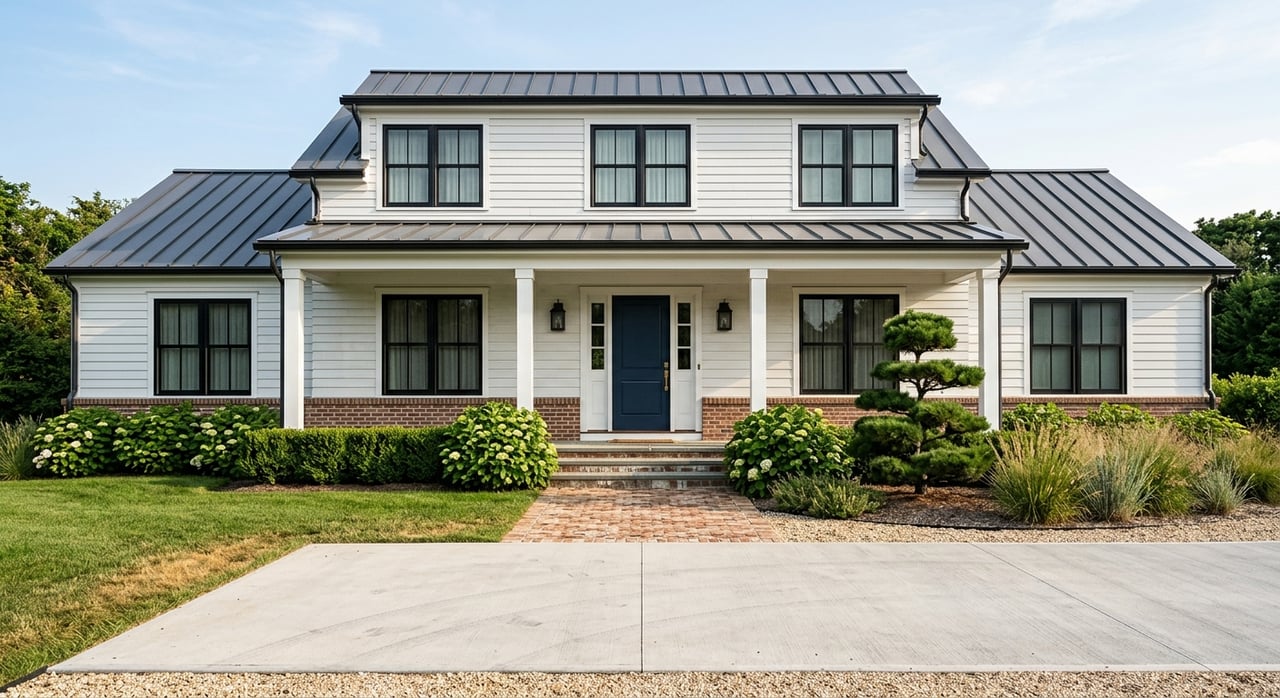
Buying a Second Home at Delaware and Maryland Beaches
July 2, 2026
July 2, 2026
Dreaming about a beach place of your own is easy. Choosing the right second home at the lower Delaware and Maryland beaches takes more work. If you want a home that fits your lifestyle, budget, and possible rental plans, you need to look beyond the listing photos and compare each town on its own terms. Let’s dive in.
The lower Delaware and Maryland beach markets are not one big, uniform coastal market. Prices, inventory, and pace can shift meaningfully from one town to the next, even when communities are only a short drive apart.
As of May 2026, Sussex County is considered a buyer’s market with a median listing price of $549,900, 4,244 active listings, and 53 median days on market. Within Sussex County, Lewes is around $659,900 with 50 median days on market, Rehoboth Beach is about $862,000 with 49 days, and Ocean View is about $549,900 with 55 days.
On the Maryland side, Worcester County has a median listing price of $469,000, 1,266 homes for sale, and 57 median days on market. Ocean City is around $459,000 with 773 homes for sale and 62 median days on market, and it is also described as a buyer’s market.
The key takeaway: you should compare town by town, not just Delaware versus Maryland. That is often where the smartest second-home decisions happen.
Before you tour homes, get clear on what you want this property to do for you. A second home can be a personal getaway, a future retirement base, a place for family gatherings, or a part-time rental.
That choice affects almost everything else. Your ideal town, property type, monthly budget, and financing path may look very different depending on how often you plan to use the home and whether rental income matters.
One of the biggest second-home decisions is whether you want to be in a direct beach town or in an inland-adjacent community. Both can work well, but they offer very different ownership experiences.
Direct beach towns often bring easier beach access, walkability, and strong vacation-home appeal. They can also come with more seasonal rules, parking limits, and rental requirements.
Inland-adjacent communities may offer more space, different price points, and a calmer day-to-day feel. For many buyers, that tradeoff is worth it, especially if being steps from the sand is not the top priority.
Bethany Beach requires public parking permits or paid parking from May 15 through September 15, and summer weekend parking often fills by about 10:30 a.m. Fenwick Island also requires parking permits on town streets and beach ends during the same seasonal window.
That may not be a deal breaker for you, but it should be part of your decision. A home near the beach can be wonderful, yet daily logistics can feel very different in peak season than they do during an off-season showing.
If you want a lower-cost beach base or simply more breathing room, nearby communities can be practical alternatives. Ocean View, for example, sits close enough for beach access while often appealing to buyers who prioritize budget, space, or a less intense pace.
On the Maryland side, Worcester County market data show different price levels across places like Ocean City, Berlin, and Ocean Pines. That gives you room to compare lifestyle and budget more carefully instead of assuming the best fit has to be in the most famous beach town.
If you hope to offset costs with rental income, decide that early. Rental potential is not a generic beach-home benefit. It is highly location-specific and depends on both financing rules and local town regulations.
Freddie Mac says a second-home mortgage must be for a one-unit property, and the borrower must occupy it for some portion of the year. The home must be kept primarily for personal use for more than half the calendar year, and short-term rentals are allowed only if the property is not in a rental pool or similar arrangement that requires renting or revenue sharing.
In simple terms, if you expect to rent the property most of the year, standard second-home financing may not fit. That is why it helps to align your lender conversation with your town search from the start.
Local rules can affect both convenience and net income. Some towns require annual rental licenses, some require local contacts, and many charge rental taxes that directly affect your bottom line.
Here is a snapshot of selected local requirements from the research:
| Town | Rental License | Rental Tax / Notes |
|---|---|---|
| Bethany Beach | $100 annual license | 7% rental tax |
| South Bethany | $180 annual license | 8% rental tax |
| Fenwick Island | Annual license required | 7.5% rental tax |
| Ocean View | $150 annual license | 6% gross rental tax |
| Lewes | $200 annual license | 5% Gross Rental Receipts Tax for lodging |
| Ocean City | Annual rental license required | Noise permit required, plus separate short-term rental license for stays of 30 days or fewer |
Lewes requires both short- and long-term rental licensing and a local contact who can respond 24 hours a day and physically respond within two hours if needed. Rehoboth Beach also requires a 24/7 local contact for residential rentals of any duration.
Ocean City adds another layer. Any rental property needs an annual rental license and noise permit, and stays of 30 days or fewer also require a separate short-term rental license. In Ocean City’s R1 zone, rentals are limited to no more than four unrelated people.
Bottom line: if rental income matters to you, compare town rules before you fall in love with a property. The license fees, taxes, and operating requirements can change which town makes the most financial sense.
Many second-home buyers focus heavily on the sale price and monthly mortgage number. At the beach, that is only part of the picture.
Your total monthly cost can also include property taxes, mortgage insurance, homeowner’s insurance, flood insurance, and HOA fees. HOA dues are usually separate from the mortgage payment and can range from a few hundred dollars to more than $1,000 per month.
In Delaware, flooding is a year-round threat. Coastal areas can face storm surge and tidal flooding, and standard homeowners insurance does not cover flood damage.
FEMA flood maps identify Special Flood Hazard Areas, and if a mortgaged home is in one of those areas, flood insurance is generally required. DNREC also notes that a new owner may pay full risk-based cost, so this is not a detail to leave until the end of the process.
If you are thinking about buying an older beach property and improving it over time, do your homework early. DNREC says no construction may take place seaward of the building line without a coastal construction permit or letter of approval.
That matters for buyers who hope to rebuild, expand, or make major exterior changes. A property that looks full of potential on paper may come with more permitting diligence than a similar home farther inland.
Your ideal property type should match the way you want to use the home. Many second-home buyers like condos and townhomes because they can reduce exterior maintenance and make lock-and-leave ownership easier.
The tradeoff is that association fees become a central part of affordability, not a side note. You may also have less control over building rules, exterior changes, or rental limitations depending on the community.
Single-family homes can offer more privacy, more flexibility, and often more room for guests. They can also bring more maintenance responsibility, especially in a coastal setting where weather exposure is part of ownership.
When you narrow your search, it helps to evaluate each town through the same set of questions. That keeps you from making a decision based only on emotion or one great showing.
A second-home purchase at the beach is rarely just about finding a pretty property. You are balancing lifestyle goals, carrying costs, local rules, and future flexibility all at once.
That is where candid, hyperlocal guidance makes a real difference. When you compare options town by town and ask the right questions early, you can move forward with much more confidence and far fewer surprises.
If you’re exploring coastal options across the lower Delaware and Maryland beaches, Bobbi Prescott can help you compare communities, weigh the real costs, and find a second home that truly fits your plans.
Stay up to date on the latest real estate trends.
Whether you're buying your first home, selling your current one, or searching for the perfect upgrade, Bobbi offers personalized strategy and trusted support to help you move with confidence.